Turmoil in Tbilisi
The weekend in Georgia was marked by turmoil following an election which has seen pro-Western parties reject the victory claimed by the pro-Russian Georgian Dream party.
Macro Monday
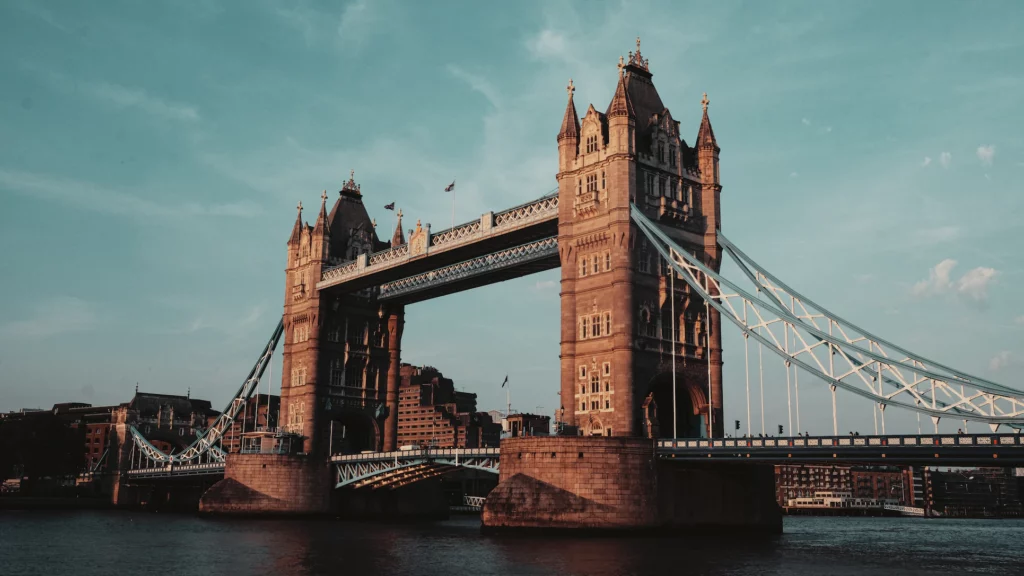
Between 1968 and 1971, the UK conducted an experiment where it did not switch back to Greenwich Mean Time during the winter. Instead, the country remained on British Summer Time (BST) year-round, a period referred to as British Standard Time.
Turmoil in Tbilisi
The weekend in Georgia was marked by turmoil following an election which has seen pro-Western parties reject the victory claimed by the pro-Russian Georgian Dream party.
Georgian Dream party declared victory having claimed 53.9% of the vote – a result which was markedly different from exit polls administered by Western pollsters. The party – which has been in power for 12 years – has been described as a “culturally conservative illiberal Eurosceptic party” which has sought to firm up ties with Russia.
The party’s de facto leader is the oligarch Bidzina Ivanishvili whose opaque wealth is estimated to be equivalent to 25% of Gerogia’s GDP. As the Guardian’s Pjotr Sauer writes, “in a recent interview laced with transphobic and homophobic rhetoric reminiscent of far-right online forums, Ivanishvili portrayed Georgia as locked in a cultural struggle against the west”.
However, Pro-Western parties have rejected the outcome claimed, arguing that there was unprecedented levels of Russian interference. Such was the level of concern over the legitimacy of the election result, the leader of the pro-Western party United National Movement said that the outcome was “stolen from the Georgian people”.
For example, a joint mission of observes which included representatives from OSEC and the European Parliament there cited “cases of vote-buying, widespread climate of pressure and party-organised intimidation before and during the elections”. Much of the vote was merely manipulated they say.
According to the head of the European Parliament delegation at OSCE “the ruling party used anti-Western and hostile rhetoric, targeting Georgia’s democratic partners, in particular the European Union, its politicians and diplomats, promoted Russian disinformation, manipulation and conspiracy theories.”
The rising tension in Georgia comes at a time when many consider Georgia to be at a critical juncture. Down one path is embracing liberal democracy and integration with NATO and the EU. Down another lies a clamp down on civic and democratic society while being subsumed into Moscow’s sphere of influence.
Earlier this year, Tbilisi was the epicentre of further political turmoil following the incumbent governments’ attempts to pass a bill which ostensibly would require any NGO or Media Group which receives over 20% of their funding from overseas to make a declaration to the government registering as “bearing the interests of a foreign power”.
However, given that similar laws have been used in Russia to crackdown on dissidents, critics maintained that those in power will simply use it as a mechanism to repress opposition and media groups.
Attention continues to remain on developments from Tbilisi as tensions mount at a crucial time for Georgia and the Georgian people.
Middle East
Geopolitical tensions also remained elevated throughout the Middle East over the weekend. On Saturday, Israel targeted military sites across different areas of Iran, with Prime Minister Benjamin Netanyahu saying that air defence and missile production systems had been hit.
Following the strikes, the Supreme Leader of Iran, Ali Khamenei said that the attack must neither be “exaggerated or downplayed”. While Khamenei did not vow to retaliate immediately, concerns remain over Tehran’s next moves.
Oil prices sunk much as 4% this morning, with supply side fears subsiding as traders considered how Iranian oil facilities had not been targeted.
Looking Ahead
While this morning gets off to a light start as far as data is concerned, attention will continue to remain focused on political developments form the Middle East. In the UK, attention will also continue to remain focused on any murmurings from Westminster ahead of the Budget on Wednesday.
Altri
Analisi di mercato
Find out how we have helped our clients meet their hedging requirements.
HCFX si unisce a Marex
Un audace passo avanti con l'unione di HCFX e Marex
Brevi accenni di pace
Donald Trump annuncia il cessate il fuoco tra Israele e Iran, confermata poi dal Presidente iraniano.
Iran alle strette
Donald Trump decide di unirsi alla guerra di Israele contro l'Iran, con una forte escalation del conflitto.

Alla finestra
L'outlook per l'euro è incerto a causa delle preoccupazioni per i possibili dazi imposti dagli Stati Uniti e delle vulnerabilità interne dell'Eurozona.
A colpi di tariffa
Le minacce di Trump di aumentare le tariffe hanno spinto i ministri dell'Unione Europea a concentrarsi sul miglioramento della competitività e dello sviluppo dei mercati dei capitali...

Trump annuncia dazi doganali per la Cina
Il mercato azionario asiatico mostra segni contrastanti questa mattina dopo che il presidente degli Stati Uniti Trump annuncia la possibilità di imporre dazi doganali al 10% sulle importazioni cinesi a partire dal primo febbraio.

I rendimenti dei bond alle stelle
Le aspettative di ulteriori allentamenti delle politiche da parte della Banca Centrale Europea mantengono l'Europa in difficoltà. In un dialogo politico al Forum Finanziario Asiatico (AFF) 2025...
L’equilibrio instabile francese
François Bayrou è il nome del nuovo Primo Ministro scelto da Macron, migliorando le speranze di stabilità politica in Francia...
Vuoi parlarci delle tue esigenze di gestione Forex?
Contattaci oggi stesso per sapere come una strategia Forex personalizzata può aiutarti a ottimizzare il risultato operativo.
 English
  Italian
  Spanish