Labour Release Manifesto
Friday feeling, yesterday's release of the Labour party manifesto, introduction of National Wealth Fund under a Labour government, and additional funding for Ukraine from G7.
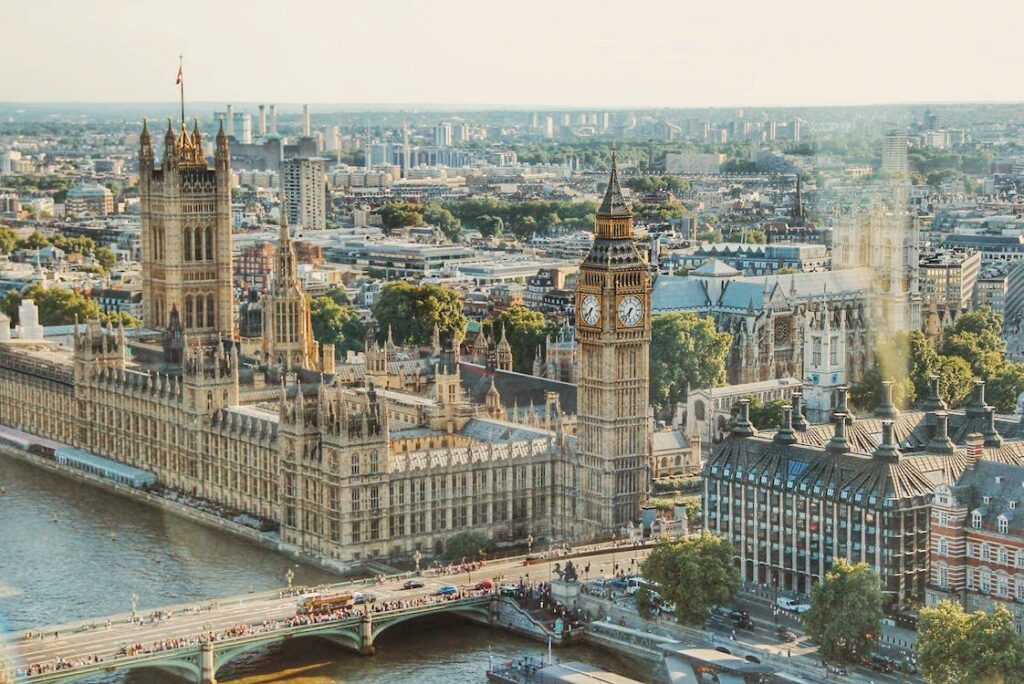
Friday Feeling
Check out this week’s playlist qui!
Manifesto – Roxy Music
Sky TV – Etherie
Ode to Joy – Ludwig van Beethoven
Les Champs-Elysées – Joe Dassin
Hunter – Dido
Labour Release Manifesto
Yesterday the Labour Party released their 133-page manifesto announcing plans to raise an additional £8.6bn in annual taxes alongside reducing government spending by £1.5bn. Sir Kier Starmer also outlined his party’s intention to limit additional government borrowing to £3.5bn, in what he said would act as the catalyst for “national renewal”.
On fiscal tightening measures, Labour said that they would raise £8bn through taxing private school fees in addition to placing windfall taxes on oil and gas companies. The manifesto also pledged that the windfall tax on “oil and gas giants” would help, in part, fund £23.7bn in green initiatives.
According to the manifesto, the revenue from applying VAT and business rates to private schools will amount to just over £1.5bn by FY 2028/29, tough critics say that revenues could fall as families leave private school education to state schools.
The manifesto also promised to close further non-dom tax loopholes in addition to investing into clamping down in tax avoidance (at an initial cost to the Treasury of 855m). The Labour party also said that they will raise £40m in revenue from increasing stamp duty on purchases of residential property by non-UK residents by 1%. Taken in entirety, these are something which they say will bring in £5.23bn to the treasury by FY 2028/29.
Regarding Britain’s relationship with the European Union, the party pledged that they would look to improve Westminster’s relationship with Brussels but said that they would not seek to join the single market. They also indicated that they would ease some border restrictions alongside formulating a security pact with the bloc.
Following its publication, the Director of the IFS said that “This was not a manifesto for those looking for big numbers. The public service spending increases promised in the “costings” table are tiny, going on trivial.”
National Wealth Fund
Citing their intention to “kickstart economic growth”, Kier Starmer announced that a Labour government would establish a National Wealth Fund, following similar commitments made earlier in the year.
Here, they said that the fund would be capitalised with £7.3bn from 2024-2029, with £1.8bn being earmarked to upgrade ports and supply chain infrastructure across while £1.5bn would go towards gigafactories to help improve the UK’s automotive output. £2.5bn would also go to the UK’s steel industry.
Talk of sovereign wealth funds is usually accompanied by analysis into the funds like Norges Bank Investment Management (which manages some $1.4tn) or Kuwait Investment Authority.
Both Norway and Kuwait however have huge budget surpluses (with the former at over 16% and the latter at 14%). Such surpluses are of course used to help fund these schemes.
Marking a departure from the 27 or so states which register a budget surplus is the UK which recorded a budget deficit 4.4% of GDP over the last financial year 2023-24.
While it’s worth noting that not all countries that have sovereign wealth funds record a budget surplus, commentators have raised questions over how the party will adequately fund the project.
G7 Announce Further Package for Ukraine
As the leaders of the G7 convene in Italy, the group has announced $50bn in additional funding for Ukraine. With the US and EU announcing passing assistance packages for Kyiv earlier in the year, it’s expected that while these funds will not arrive until the back end of the year, it will constitute a clear medium-term net for Ukraine’s campaign.
With around $325bn worth of Russian assets being frozen by the G7 and EU, the group also announced that the interest accrued on these frozen funds will be used to pay down interest payments racked up from Ukraine’s loans taken out on international money markets.
Altri
Analisi di mercato
Find out how we have helped our clients meet their hedging requirements.
HCFX si unisce a Marex
Un audace passo avanti con l'unione di HCFX e Marex
Brevi accenni di pace
Donald Trump annuncia il cessate il fuoco tra Israele e Iran, confermata poi dal Presidente iraniano.
Iran alle strette
Donald Trump decide di unirsi alla guerra di Israele contro l'Iran, con una forte escalation del conflitto.

Alla finestra
L'outlook per l'euro è incerto a causa delle preoccupazioni per i possibili dazi imposti dagli Stati Uniti e delle vulnerabilità interne dell'Eurozona.
A colpi di tariffa
Le minacce di Trump di aumentare le tariffe hanno spinto i ministri dell'Unione Europea a concentrarsi sul miglioramento della competitività e dello sviluppo dei mercati dei capitali...

Trump annuncia dazi doganali per la Cina
Il mercato azionario asiatico mostra segni contrastanti questa mattina dopo che il presidente degli Stati Uniti Trump annuncia la possibilità di imporre dazi doganali al 10% sulle importazioni cinesi a partire dal primo febbraio.

I rendimenti dei bond alle stelle
Le aspettative di ulteriori allentamenti delle politiche da parte della Banca Centrale Europea mantengono l'Europa in difficoltà. In un dialogo politico al Forum Finanziario Asiatico (AFF) 2025...
L’equilibrio instabile francese
François Bayrou è il nome del nuovo Primo Ministro scelto da Macron, migliorando le speranze di stabilità politica in Francia...
Vuoi parlarci delle tue esigenze di gestione Forex?
Contattaci oggi stesso per sapere come una strategia Forex personalizzata può aiutarti a ottimizzare il risultato operativo.
 English
  Italian
  Spanish