Weekend Update
Travel Tuesday, plans for tactical nuclear weapon deployment exercises from Moscow, ceasefire deal rejected by Israel, and lower than expected retail sales from the BRC.

Travel Tuesday: Saudi Arabia
The largest country in the Middle East. The Kingdom attracted 27 million international tourists last year and is aiming for 70 million a year by 2030
GDP $1.8 trillion
Population 33.5 million
GDP per capita $53,730
Border countries Jordan, Iraq, Kuwait, Qatar, Bahrain, UAE, Oman, Yemen
Border seas Red Sea, Persian gulf, Gulf of Aqaba
Political System Absolute Monarchy
Good morning,
Whilst we’ve been enjoying a bank holiday and the Great British weather, there’s been a reasonable amount going on out there – and a busy data week ahead of us.
Russia
The Wall Street Journal is reporting that Moscow is planning to carry out exercises for tactical nuclear weapon deployment. The Kremlin has said that these are a response to the news that Western nations are likely to allow Ukraine to use arms that they’ve supplied to fire outside of Ukrainian territory, into Russia. David Cameron said last week that Ukraine has the right to use UK-supplied weapons to strike targets inside Russia. And Emmanuel Macron has been more vocal recently around the idea of European troops hitting the ground in Ukraine.
Meanwhile the EU has finally proposed sanctions around the trade with Russia in Liquefied Natural Gas. The European Commission wants to implement measure that would stop any EU countries re-exporting Russian LNG, though it wouldn’t harm the flows from Russia into Europe for use in Europe.
Additionally, the sanctions would stop any EU involvement in future LNG projects in Russia. The fact that this hasn’t been done already seems beyond ridiculous. The story by Politico is here and is well worth a read: EU proposes first sanctions on Russia’s LNG sector – POLITICO
Israel & The Middle East
The IDF commenced operations in the southern Gazan town of Rafah overnight after a ceasefire deal was rejected by Israel yesterday evening. Egyptian and Qatari diplomats have been mediating ceasefire talks between Israel and Gaza. While it’s understood that the latter agreed to a deal in principle (though it’s unclear exactly what), the former rejected it, citing that it did not meet its “core demands”.
This comes as Prime Minister Benjamin Netanyahu reiterated that it was “far from Israel’s basic requirements”. As such, the Israeli War Cabinet announced that they would carry out strikes and further military operations in Rafah.
Following these overnight developments, the IDF has said that they have taken “operational control of the Gaza side of the Rafah crossing”.
The southern border town of Rafah has seen tens of thousands of refugees flee from northern parts of Gaza in recent months, and the town has been crucial in ensuring the safe passage of aid into Gaza from Egypt.
Members of the international community have been pivotal in trying to keep this border open for the purposes of humanitarian aid. Hence, attention will turn to how Washington makes its next moves. It is understood that the Rafah crossing into Egypt is now closed, and Israel has announced an expansion of humanitarian zones.
One of those ‘next moves’ looks like the US holding up arms shipments to Israel for the first time since the October 7 attack. According to news site Axios, this is a big sign that the US isn’t willing to unconditionally support Israel and the latest incursion into Rafah, which is drawing criticism. The Axios article gives a good rundown of why this is important.
While the US plays hardball with Israel, they’re also doing what they can to ensure that the wider Middle East situation isn’t fractured further. They’re putting pressure on Saudi Arabia to normalise their relations with Israel, saying that they won’t sign a defence agreement with Riyadh until it does so.
Before 7 October, the US’ plan was to have Saudi normalise those relations with Israel and in return, Washington would have supported Saudi civilian nuclear energy programmes and given other defence-related support.
The hope being that with the largest player in the Middle East on board, other countries would side with Israel. However, Saudi has said they would need to see “irreversible steps” towards the establishment of a Palestinian state – which is something Netanyahu is vehemently opposed to.
UK economics
In other news, retail sales from the BRC came in significantly lower than expected this morning for the month of April, with the sector being impacted by an early Easter and poor weather.
Against forecasts of 1.6% growth on an annualised basis, retail sales sank 4.4%. This came in stark contrast to March’s positive print where sales grew 3.2% and also marks a significant departure from the 12-month average of 2.2%.
Commenting on the data release, the BRC’s CEO Helen Dickinson stated that “people delayed typical Spring purchases despite retailers’ attempts to entice customers with heavy discounts.” While she continued by stating that consumer confidence could uplift following any interest rate cuts, the expectation of tighter monetary conditions for longer could cause further headwinds for the sector.
It’s not just the UK consumer that is hoping to get some signs that the Bank of England will be cutting rates: Rishi Sunak is doubling down on his hope that people will see the economy turning a corner and his plan working. After a pasting in the local elections, the PM is hanging on to one pollster’s predictions that the UK is heading for a hung parliament at a general election and that therefore he was “absolutely determined to fight” (which, in Monty Python parlance, sounded an awful lot like “it’s only a flesh wound”).
The bank of England meets this week to discuss monetary policy and, though a rate cut isn’t on the cards, the market will be hanging on the words of Andrew Bailey and working out if/when/how many cuts might be coming this year.
Have a great week.
Related
Commentary
Find out how we have helped our clients meet their hedging requirements.

Rick Rieder Flies Under the Radar As New FED Frontrunner
Rick Rieder has rapidly emerged as the leading market-implied candidate to become the next Chair of the Federal Reserve.
American Enforcement in Venezuelan Waters
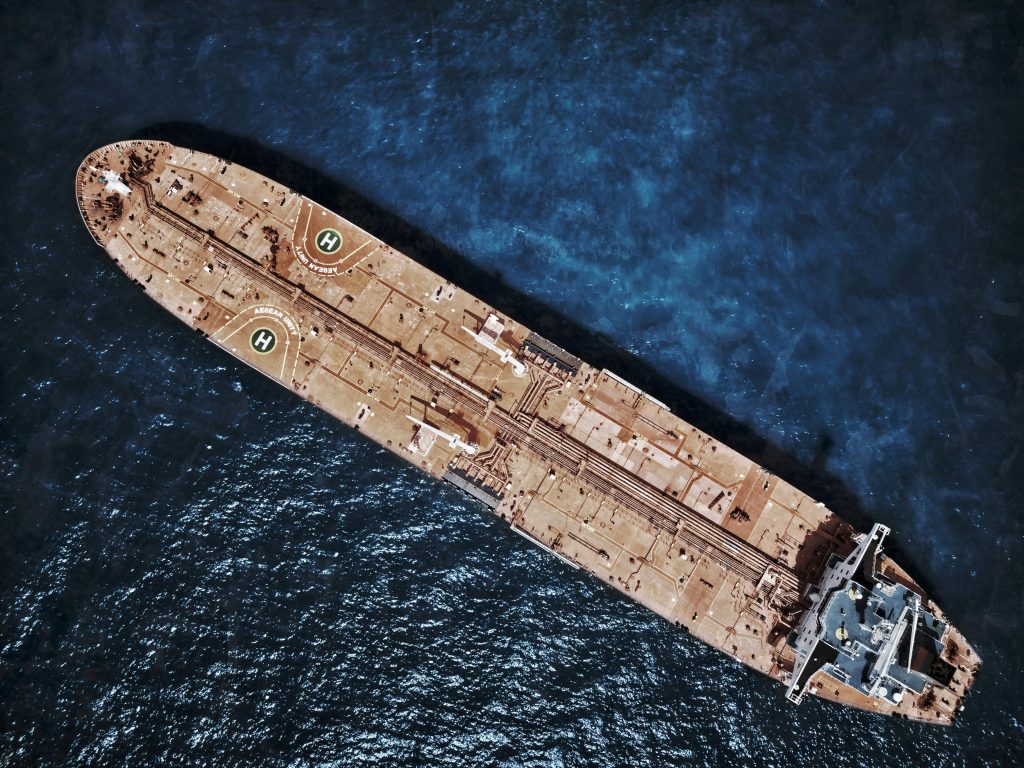
President Donald Trump has ordered a blockade of sanctioned oil tankers entering and leaving Venezuela, aiming to restrict the Maduro government’s remaining export channels and tighten compliance across the maritime trade network.
US and Japan Reach Trade Agreement
With financial markets remaining on edge over Trump’s ability to secure key trade agreements, a major breakthrough was reached overnight as the United States and Japan concluded a pivotal deal.

Japanese PM Suffers Blow in Upper House Elections
Japanese Prime Minister Shigeru Ishiba’s ruling coalition suffered a significant blow in Japan’s Upper House election on Sunday...
UK Labour Market Slows
In the latest sign that the UK labour market is continuing to slow down, this morning’s figures from the ONS indicate that unemployment rose as wage growth eased.

UK Inflation Rises Unexpectedly
Just days after the Governor of the Bank of England maintained that he “really [does] believe the path is downward" on interest rates...

North Korea Reaffirms “Unconditional Support” to Russia
This weekend Russian Foreign Minister Sergei Lavrov flew into Wonsan to meet Kim Jong Un, with the latter reaffirming North Korea’s “unconditional support” of Russia’s war in Ukraine.
HCFX joins Marex
A bold leap forward as HCFX joins with Marex
Ready to talk FX?
Get in touch today to see how FX strategy can drive commercial impact for your business.
 English
  Italian
  Spanish