Halifax Index: UK House Prices Fall for First Time Since 2012
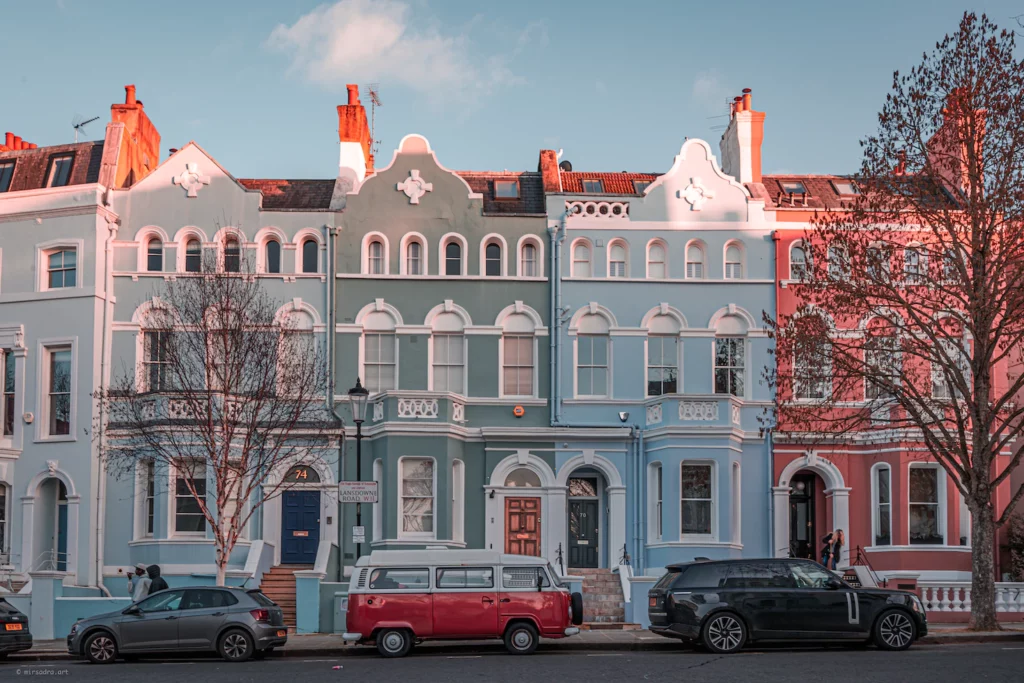
According to the Halifax house price index, the price of residential property fell for the first time since 2012. The 1% depreciation between May 2022 and May 2023 came in line with expectations as analysts assess the impact of higher interest rates on households.
Kim Kinnaird, Director of Halifax Mortgages, said “property prices have now fallen by about £3,000 over the last 12 months and are down around £7,500 from the peak in August. But prices are still £5,000 up since the end of last year, and £25,000 above the level of two years ago.” They continued by saying that “as expected the brief upturn we saw in the housing market in the first quarter of this year has faded, with the impact of higher interest rates gradually feeding through to household budgets, and in particular those with fixed rate mortgage deals coming to an end”. Health Insurance Companies
The index also notes the deflation disparity between the types of houses, indicating that flats fell 1.9% while terraces and semi-detached houses fell 1% and 0.5%, respectively. This came as detached houses rose 0.4%. There was also a clear gulf between the rising price of a new built (which rose 2.8%) and the falling price of an existing house (which fell 1.9%). On a month-on-month basis, house prices were more or less unchanged, with the average property costing £286,532 in May compared to £286,662 in April.
OECD Warn Over Rising Interest on Debt Obligations
With inflation continuing to run well above the BoE’s target rate of 2%, economists at the OECD are warning over the implications that it may have on the UK’s interest repayments given that “significant additional monetary tightening” may be needed. The OECD noted that “significant risks surround the [UK] outlook. The high interest burden on public debt and the recent drop in average debt maturity leave the public finances exposed to movements in bond yields”. At the last budget the chancellor announced that he would seek to reduce the nation’s debt-to-GDP within five years, though his fiscal policies leave only a £6.5bn buffer in trying to achieve it. Hence, if interest rates rise higher than expected and are elevated for longer than expected, the chancellor may have to fork out an increasing amount to service the UK’s debt obligations.
Markets Weigh on Bank of Canada Interest Rate Decision
At 15:00 this afternoon, markets will be keeping a close eye on the Bank of Canada’s latest interest rate decision, where money markets have currently priced in around a 50% chance of rates being left unchanged against a 50% chance of a 25bps hike. In March and April, the Bank of Canada met market expectations by leaving rates unchanged at 4.5%. Their decision in March marked the first major central bank in the West to cease further monetary tightening, as Ottawa cited inflation falling in line with expectation as a key factor behind the decision. Moreover, given concerns surrounding growth house price inflation, the central bank remains cognisant about an overly restrictive monetary policy given its implication on mortgages and the property market, which remains historically tight. Nevertheless, the
annual rate of inflation rose 0.1 percentage points between March and April, bucking the trend of falling inflation seen since the recent 8.9% peak in June 2022. As such, more hawkish policy makers may be heavily influenced by the rise in inflation, particularly given that prices rose 0.7% on a month-on-month basis between March and April.
The Bank of Canada also remain cautious of over tightening and adversely hindering the prospect of growth. Canada is expected to register 1.5% growth over 2023 according to the IMF, though given the country’s vast commodities sector, any growth will be heavily contingent on global demand – not least from China whose growth this year is the subject of considerable debate.
RBI Interest Rate Decision Tomorrow
Tomorrow, the Reserve Bank of India will be making their latest interest rate decision. Last time the reserve bank surprised markets by voting to keep their benchmark policy rate unchanged at 6.5% on 4 April. This came against market expectations of a 25bps rate hike, which would have brought borrowing rates to their highest level since late 2015. Accordingly, borrowing rates remain at their highest level since 2019, following a rate hike cycle of 200bps staring in May 2022.
Policy makers are keen to assess the impact of the rate hikes on inflation and want to avoid ‘over-tightening’. This comes as annualised inflation showed signs of slowing sharply in April, slipping to 4.7% as it marked its lowest level since October 2021. While this inflationary print was also softer-than-expected (at 4.8%), markets are still weighing on whether the RBI will deliver a 25bps hike on 8 June.
Related
Commentary
Find out how we have helped our clients meet their hedging requirements.
Rick Rieder Flies Under the Radar As New FED Frontrunner
Rick Rieder has rapidly emerged as the leading market-implied candidate to become the next Chair of the Federal Reserve.

American Enforcement in Venezuelan Waters
President Donald Trump has ordered a blockade of sanctioned oil tankers entering and leaving Venezuela, aiming to restrict the Maduro government’s remaining export channels and tighten compliance across the maritime trade network.
US and Japan Reach Trade Agreement
With financial markets remaining on edge over Trump’s ability to secure key trade agreements, a major breakthrough was reached overnight as the United States and Japan concluded a pivotal deal.
Japanese PM Suffers Blow in Upper House Elections
Japanese Prime Minister Shigeru Ishiba’s ruling coalition suffered a significant blow in Japan’s Upper House election on Sunday...
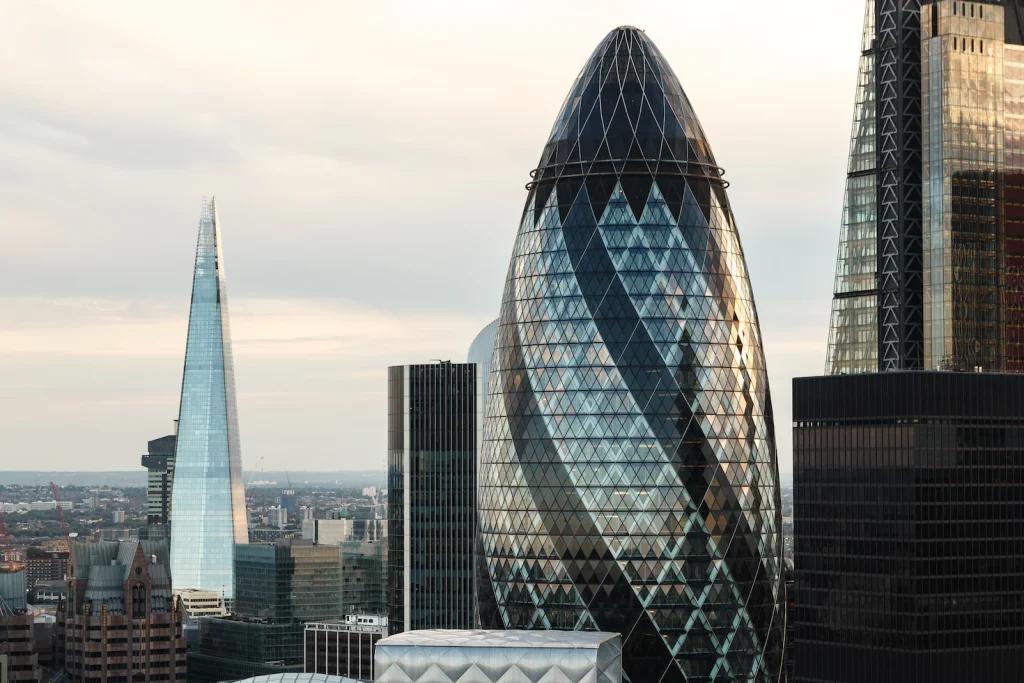
UK Labour Market Slows
In the latest sign that the UK labour market is continuing to slow down, this morning’s figures from the ONS indicate that unemployment rose as wage growth eased.

UK Inflation Rises Unexpectedly
Just days after the Governor of the Bank of England maintained that he “really [does] believe the path is downward" on interest rates...
North Korea Reaffirms “Unconditional Support” to Russia
This weekend Russian Foreign Minister Sergei Lavrov flew into Wonsan to meet Kim Jong Un, with the latter reaffirming North Korea’s “unconditional support” of Russia’s war in Ukraine.
HCFX joins Marex
A bold leap forward as HCFX joins with Marex
Ready to talk FX?
Get in touch today to see how FX strategy can drive commercial impact for your business.
 English
  Italian
  Spanish