Fed’s Interest Rate Decision
Travel Tuesday, interest rate decision from the Fed, economies face challenges amongst global instability, and what's happening in the market this week.

Travel Tuesday: Tunisia
Tunisia is home to one of the oldest mosques in the world, the Great Mosque of Kairouan. Founded in 670 AD, it is considered a masterpiece of Islamic architecture and a UNESCO World Heritage site.
GDP $48.53
Biggest Export Insulated wire
Biggest Trading Partners France, Italy, Germany, Spain, Libya
Political System Unitary semi-presidential representative democratic republic. The president serves as the head of state, while the prime minister is the head of government
National Animal The Dromedary Camel
Next Election 6 Oct
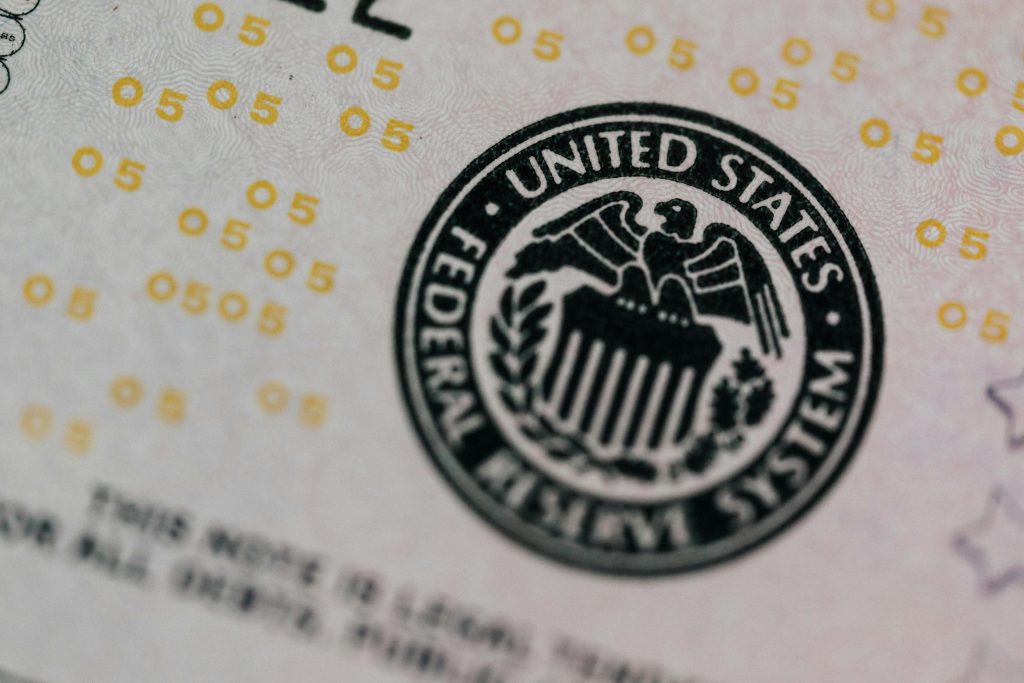
Fed’s Interest Rate Decision
The most anticipated event this week is the U.S. Federal Reserve’s upcoming decision on interest rates. Market participants are divided, with a growing expectation for a 50-basis point cut—an aggressive move not seen in over a decade.
A smaller 25 basis point cut remains on the table, but should the Fed opt for the larger reduction, it would signal deep concerns about economic stagnation in the U.S. while triggering immediate effects on currency markets. A 50-basis point cut would likely weaken the U.S. dollar further, continuing its recent downward trajectory.
The dollar has already been losing strength against other major currencies as expectations for easing have risen. A weaker dollar will have mixed consequences: on the one hand, it could provide relief for U.S. exporters, making American goods cheaper abroad; on the other hand, it will drive up costs for imports, adding to inflationary pressures. Additionally, a softening dollar increases the attractiveness of other currencies like the euro and yen, which are likely to strengthen in the wake of the Fed’s actions.
BoE and ECB Face Challenges
In the UK, the pound has remained resilient in the face of global uncertainty, largely due to the Bank of England’s (BoE) measured approach to rate cuts. Despite inflation still hovering at uncomfortable levels, the BoE is expected to keep interest rates unchanged this week. This cautious stance is supporting sterling, which rose by 0.5% against the U.S. dollar on Monday, trading around $1.3190. The key will be Wednesday’s UK inflation report, which could tip the BoE toward more aggressive cuts if inflation rises faster than expected.
On the continent, the European Central Bank (ECB) has already cut interest rates by 25 basis points, and while further reductions are expected, ECB officials are wary of pushing too fast. As a result, the euro has been steady, holding its ground against the weakening dollar. The EUR/USD pair is currently trading near $1.1096, benefiting from a declining greenback and optimism that inflation is stabilising across Europe.
Japan’s Yen Surges Amid Global Instability
The Japanese yen is another currency that has surged recently, crossing the 140-per-dollar mark, a level not seen since 2023. As the Fed moves closer to rate cuts, the gap between U.S. and Japanese rates is shrinking, making the yen more attractive to investors looking for safe-haven assets. The yen’s strength has been bolstered by concerns over China’s slowing economy, as well as Japan’s own relatively stable inflation outlook.
Japan’s currency, often seen as a global barometer of risk, is likely to continue strengthening as long as uncertainty persists. However, a stronger yen poses challenges for Japanese exporters, particularly in the technology and automotive sectors, where a more expensive currency makes goods less competitive internationally. This has already contributed to a 1.7% drop in Japan’s Nikkei index, as markets in Tokyo react to the currency’s climb.
China’s Economic Slowdown: A Threat to Global Currency Stability
In China, the yuan remains weak against the dollar, trading at multi-month lows as the country grapples with disappointing economic data. Factory output growth has slowed to a five-month low, while consumption continues to stagnate.
The Chinese government has signalled that it may introduce further stimulus measures, but uncertainty remains high, leading to continued downward pressure on the yuan. Investors are closely watching how Beijing will respond in the coming weeks, with any major fiscal intervention likely to affect the currency and broader Asia-Pacific markets. A weak yuan is adding strain to other regional currencies, especially in countries that depend heavily on trade with China. The Australian dollar and South Korean won have both weakened in recent weeks, reflecting concerns over reduced demand from China, their largest trading partner.
Political Risks
The ongoing political instability in the U.S., marked by the recent assassination attempt on Donald Trump, is another factor adding to global market volatility. While the U.S. political landscape remains deeply polarized, these events have so far had limited immediate impact on the dollar. However, sustained political unrest could weigh on market sentiment and push investors toward safer assets like the yen and Swiss franc.
What to Watch in Markets
- Fed’s Rate Decision (Wednesday): A 50-basis point cut could lead to significant dollar weakening, while a smaller cut may stabilise the currency.
- UK Inflation Data (Wednesday): If inflation rises more than expected, the pound could face renewed pressure, potentially limiting the BoE’s flexibility.
- China’s Economic Response: Any major stimulus from Beijing could help stabilise the yuan, but continued weakness will likely drag down regional currencies.
Related
Commentary
Find out how we have helped our clients meet their hedging requirements.
Rick Rieder Flies Under the Radar As New FED Frontrunner
Rick Rieder has rapidly emerged as the leading market-implied candidate to become the next Chair of the Federal Reserve.

American Enforcement in Venezuelan Waters
President Donald Trump has ordered a blockade of sanctioned oil tankers entering and leaving Venezuela, aiming to restrict the Maduro government’s remaining export channels and tighten compliance across the maritime trade network.

US and Japan Reach Trade Agreement
With financial markets remaining on edge over Trump’s ability to secure key trade agreements, a major breakthrough was reached overnight as the United States and Japan concluded a pivotal deal.

Japanese PM Suffers Blow in Upper House Elections
Japanese Prime Minister Shigeru Ishiba’s ruling coalition suffered a significant blow in Japan’s Upper House election on Sunday...

UK Labour Market Slows
In the latest sign that the UK labour market is continuing to slow down, this morning’s figures from the ONS indicate that unemployment rose as wage growth eased.

UK Inflation Rises Unexpectedly
Just days after the Governor of the Bank of England maintained that he “really [does] believe the path is downward" on interest rates...

North Korea Reaffirms “Unconditional Support” to Russia
This weekend Russian Foreign Minister Sergei Lavrov flew into Wonsan to meet Kim Jong Un, with the latter reaffirming North Korea’s “unconditional support” of Russia’s war in Ukraine.
HCFX joins Marex
A bold leap forward as HCFX joins with Marex
Ready to talk FX?
Get in touch today to see how FX strategy can drive commercial impact for your business.
 English
  Italian
  Spanish